
Waymo Opens San Diego to Public Riders as Sacramento Waits: California’s Robotaxi Map Is Being Redrawn
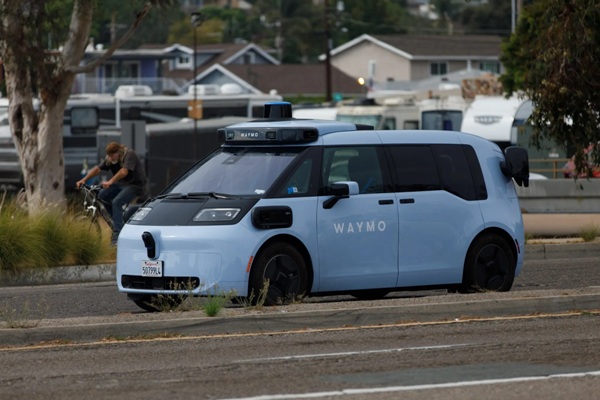
Waymo’s biggest California expansion yet is moving from paper to pavement. Public rides began in San Diego on Sept. 1 across a 50-square-mile area stretching from the beach to I-15 and covering Mission Bay and downtown, though not much north of I-8. New riders are being admitted on a rolling basis. Denver and Tampa also launched the same day, bringing the total to 14 cities with autonomous trips. AxiosAxios
The launch follows a sweeping approval. The California Public Utilities Commission signed off on driverless service across 18 counties from Sonoma to San Diego, clearing Waymo to charge for fully driverless rides across the Bay Area and Los Angeles and to open two new markets, Sacramento and San Diego. The approval covered an advice letter Waymo filed in January, which regulators suspended for further review. In May the company filed a supplemental letter addressing unaccompanied minors and rider procedures during service disruptions, such as the PG&E outage that hit San Francisco last December. Waymo says the rollout will be gradual and guided by its safety framework. Waymo wins California approval to expand robotaxis across 18 counties | Electrek +2
The scale is considerable. Waymo’s service area passed 1,400 square miles across 11 cities in May, larger than Rhode Island, and its fleet of roughly 3,000 vehicles has completed more than 20 million trips. The company is targeting 1 million rides a week by the end of the year. Electrek
San Diego’s start comes with limits. Cars won’t serve the airport or drive on freeways at first, though Waymo says highway driving, airport service and a larger service area are planned in the coming months. The launch also drew friction. The CPUC issued the final San Diego permit last month over objections from the region’s transit agency (MTS) and its Taxicab Advisory Committee, which argued that driverless cars could block streets or trolley tracks and that local governments, not the state, should decide whether the technology is allowed. AxiosAxios
Sacramento is further behind. Waymo has no launch date there and told CapRadio it is still testing vehicles, which run in autonomous mode with a human aboard until fully driverless testing begins. Residents are weighing street-safety questions and the effect on Uber and Lyft drivers’ livelihoods. A city councilmember said local streets should get safer, arguing that the sheer number of Waymos in San Francisco keeps traffic moving at the speed limit because the cars obey traffic laws. CapRadioCapRadio
The rollout also sharpens a regulatory contrast with Tesla. Tesla’s Bay Area “Robotaxi” service keeps a human in the driver’s seat, and a CPUC deputy executive director said in March that Tesla is not operating an autonomous vehicle service. What Tesla holds is a charter-party carrier permit, the same kind a limousine company gets, which carries none of the safety reporting, data transparency or quarterly filings that Waymo and Zoox must submit. Electrek
What to watch: how quickly San Diego adds freeways and the airport, whether Sacramento gets a start date, whether Waymo gets close to its ride-volume target by December, and how transit agencies and drivers’ groups respond as the service spreads across more of the state.
Sources: Axios San Diego (axios.com/local/san-diego/2026/09/01/san-diego-robotaxi-public-rides-service-area-airport-highways); CapRadio (capradio.org, Aug. 24, 2026); Electrek (electrek.co/2026/08/14/waymo-cpuc-approval-california-expansion-18-counties/)