
Newsom Declares Statewide Emergency as Forecasters Warn of a Possible Record El Niño This Winter
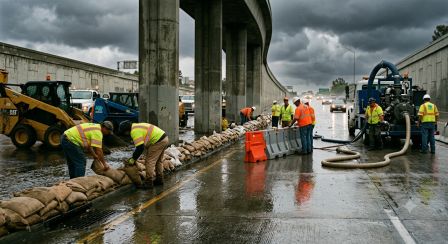
California is preparing for winter storms three months before they’re expected to hit. Gov. Gavin Newsom proclaimed a statewide state of emergency on Sept. 21, mobilizing state resources ahead of what officials describe as a potentially historic El Niño season. The declaration puts the California National Guard, transportation departments and utilities on heightened readiness and directs agencies to stage equipment, identify vulnerable infrastructure and coordinate flood-control supplies across all 58 counties.
The forecast behind the move is unusually strong. NOAA’s Climate Prediction Center gives a greater than 90% probability that a “very strong” El Niño develops through the 2026–27 season, and its September outlook puts the odds at roughly 75% that the October-to-December Oceanic Niño Index reaches historic strength. A reading of 2.5 degrees Celsius or higher would surpass anything in NOAA’s official record, which dates to 1950. Six “super El Niño” events have occurred in recorded history, most recently in 2023–24.
The governor’s office called the emerging event one that is “already breaking records,” with forecasters expecting it to keep strengthening. The proclamation warns of “repeated rounds of heavy rain, strong winds, mountain snow, flooding, landslides, debris flows, large waves, and coastal flooding, especially when storms hit during very high tides.” Cal OES Director Caroline Thomas Jacobs said officials are “not waiting for this season’s storms to be on our doorstep,” framing the move as preparation rather than reaction to a storm already underway.
Southern California is expected to see the heaviest impact from a typical El Niño pattern, though state officials say coastal areas statewide face elevated risk of high-tide flooding and erosion. A state deputy director for flood management and dam safety told reporters Monday that El Niño’s effects tend to be felt most along the coast, where storm surge can combine with unusually high tides.
Alongside the El Niño proclamation, Newsom separately declared states of emergency to support recovery from three earlier severe-weather events in Glenn, Humboldt, Kern, Mendocino and Santa Barbara counties, along with a major sewage spill in Lake County, underscoring how much of this year’s storm damage predates the main El Niño season.
State officials are urging residents to prepare now rather than wait. Recommended steps include knowing local flood risk, clearing drains and gutters, signing up for local emergency alerts and making a household emergency plan before storms intensify. The last comparable event, the 2023–24 El Niño, brought a series of atmospheric rivers that caused widespread flooding and ended much of the state’s drought status.
What to watch: NOAA updates its Oceanic Niño Index monthly, and the state’s flood-preparedness actions will scale up as the official winter storm season approaches. The first major atmospheric river of the season, whenever it forms, will be the real test of the state’s early preparations.
Sources: Office of Governor Gavin Newsom (gov.ca.gov/2026/09/21/governor-newsom-proclaims-state-of-emergency-to-bolster-statewide-el-nino-preparedness-protect-california/); San Francisco Chronicle (sfchronicle.com/california/article/newsom-el-nino-emergency-22442103.php); NOAA data via AboveTheNormNews (abovethenormnews.com/2026/09/21/california-el-nino-state-of-emergency/)