Newsom Signs Seven Data Center Laws, the Nation’s Most Sweeping Yet, After Years of Vetoes
California just answered the question it had left open all month. Gov. Gavin Newsom signed a package of seven data center bills into law on Sept. 21, moving from resisting industry regulation to embracing what his office calls the most comprehensive data center laws in the country. The signing follows growing public backlash, including a rally in Richmond on Sept. 15 where community members called for a 45-day moratorium on new data centers, and marks a reversal from Newsom’s own record: he vetoed a water-use reporting bill just last year, citing a need to better understand the industry’s impact.
The laws split into two groups. Three bills, Senate Bill 886, Senate Bill 1168 and Assembly Bill 2383, direct the California Public Utilities Commission to create new electricity rates for large data centers that cover the cost of connecting to the grid and providing power, so residential ratepayers don’t subsidize the buildout. Sen. Steve Padilla, D-San Diego, who wrote SB 886, called the package “some of the nation’s strongest data center ratepayer protections.” Bloomberg Government reported the new rates take effect by 2028, and require data centers to pay for their own infrastructure upgrades rather than passing those costs to other customers.
The remaining four bills target water use, disclosure and environmental review. Assembly Bill 2469 bars local governments from approving new or expanded data centers until developers disclose projected water demand, supply and efficiency measures. Assembly Bill 2619 requires operators to report actual or estimated water sources and consumption. Assembly Bill 1577 directs the California Energy Commission to build a registry process tracking data center energy use. And Senate Bill 887, also authored by Padilla, removes data centers from blanket exemptions to state environmental review, though projects that meet water- and energy-conservation standards can qualify for a faster approval track.
The political reaction split along familiar lines. Assemblymember Rick Chavez Zbur, D-Hollywood, said AB 2383 ensures large energy users “pay their fair share of the costs needed to serve them” while helping the state plan its electrical grid. TURN executive director Mark Toney said the measures collectively “protect ratepayers from subsidizing” data centers’ energy consumption. CalMatters, which has tracked the bills for months, framed the signing as a “tide change” after years of Newsom siding with the tech industry on similar questions.
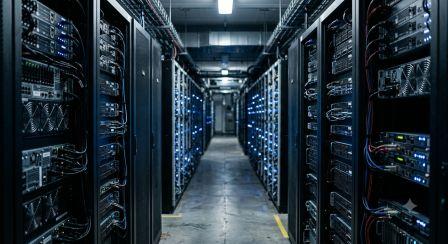
The scale of the coming buildout explains the urgency. The California Energy Commission has projected data center electricity demand could rise from about 1,000 megawatts today, roughly 2% of peak demand, to 4,500 megawatts, or 9%, by 2040. California is already home to more data centers than any other state, and ratepayers pay among the highest electricity rates in the country, a dynamic the new laws are designed to keep from getting worse.
What to watch: the CPUC’s rulemaking process, which will set the actual data center rate structure ahead of the 2028 effective date, and whether local governments begin invoking AB 2469’s disclosure requirement to slow or block pending data center projects.
Sources: CalMatters (calmatters.org/economy/technology/2026/09/new-california-laws-data-centers/); KQED (kqed.org/news/12100746/newsom-signs-new-restrictions-on-data-center-development); Bloomberg Government (news.bgov.com/bloomberg-government-news/newsom-signs-bills-regulating-data-centers-water-energy-use)